

In modern construction and landscaping, artificial grass has emerged as a reliable surface solution for residential, athletic, and commercial environments. Its ability to deliver a clean, green appearance without the challenges of natural lawn care has made it increasingly popular across different climates and usage needs. This guide provides a detailed, research-based overview of how this surface is used, why it is chosen, and what factors matter most when planning its installation.
The Evolution of Synthetic Turf Solutions
Synthetic turf has evolved significantly over the past few decades. Early versions were stiff, visually unappealing, and uncomfortable underfoot. Today’s solutions use advanced polymer fibers, layered backing systems, and improved infill materials to better replicate the look and feel of natural lawns. These improvements allow modern surfaces to handle heavy usage, temperature variation, and prolonged sun exposure without rapid deterioration.
Why Homeowners Choose Low-Maintenance Lawns
One of the main reasons homeowners select artificial grass is the convenience it offers. Traditional lawns demand regular watering, mowing, fertilizing, and pest control. In contrast, synthetic grass stays visually consistent throughout the year with minimal effort. It is especially suitable for gardens, balconies, terraces, and rooftop areas where maintaining natural soil conditions is difficult or impractical.
Design Flexibility in Residential Landscaping
Synthetic turf allows greater freedom in landscape design. It can be installed on uneven surfaces, shaded areas, or locations with poor drainage where natural lawns struggle to grow. Designers often integrate it with stone paths, decking, and decorative elements to create functional outdoor spaces that are both practical and visually appealing.
Indoor Applications and Decorative Use
Indoor grass is increasingly used in creative interior spaces such as cafés, recreational rooms, exhibition areas, and themed environments. It adds a natural aesthetic without introducing moisture, insects, or soil into enclosed spaces. When combined with proper underlay and ventilation, this application provides comfort underfoot while maintaining indoor hygiene standards.
Athletic Fields and Performance Consistency
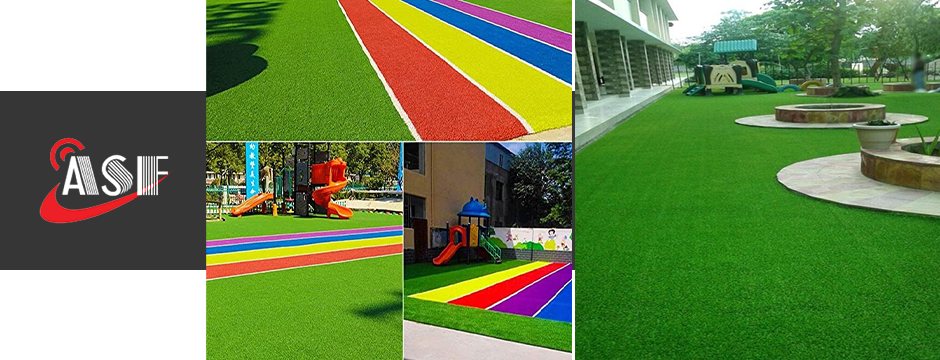
Sports facilities rely on surfaces that deliver predictable performance. Artificial grass is widely used for football grounds, training pitches, and multi-purpose sports courts because it provides uniform traction and bounce. Unlike natural turf, it does not develop uneven patches or mud during intensive use, allowing athletes to train and compete consistently across seasons.
Player Safety and Surface Engineering
Modern sports turf systems are engineered with safety in mind. Shock-absorbing layers help reduce impact stress on joints, while infill materials enhance grip and stability. These features are particularly important for high-activity environments where repetitive movement and physical contact are common.
Safe and Practical Solutions for Children’s Areas
A well-designed play area floor must balance safety, durability, and ease of maintenance. Synthetic turf systems can be combined with cushioning layers to reduce the risk of injury during falls. This makes them suitable for schools, childcare centers, and public recreational areas where cleanliness and comfort are essential.
Commercial and Public Space Integration
In commercial environments, artificial grass is often used to enhance aesthetics while keeping operational costs under control. Office complexes, retail spaces, hospitality venues, and public walkways benefit from a surface that remains neat without constant upkeep. It helps create welcoming environments that align with modern architectural designs.
Temporary Installations and Event Use
Grass carpets are commonly chosen for exhibitions, trade shows, events, and seasonal installations. Their ease of installation and removal makes them ideal for short-term applications. These surfaces provide a polished, uniform appearance and can be reused across multiple events, adding to their practical value.
Installation Process and Surface Preparation
Proper installation is essential for long-term performance. The process typically involves ground leveling, base compaction, drainage planning, and secure edging. Each step ensures the surface remains stable, prevents water accumulation, and minimizes wear over time. Professional planning at this stage significantly affects durability and appearance.
Maintenance Requirements and Care Practices
Although maintenance needs are minimal, basic care helps preserve quality. Regular brushing keeps fibers upright, while debris removal prevents surface buildup. Occasional rinsing may be required in dusty or high-traffic areas. With correct care, artificial grass can maintain its appearance and functionality for many years.
Durability and Cost Efficiency Over Time
From a long-term perspective, synthetic turf offers strong value. While initial installation costs may be higher than natural lawns, reduced expenses related to water usage, lawn equipment, and ongoing maintenance often balance the investment over time. This makes it an economical choice for both private and public projects.
Environmental Considerations
Environmental discussions around turf focus on water conservation and reduced chemical use. Eliminating the need for irrigation and fertilizers contributes to lower resource consumption. Many modern products are also designed for recyclability, supporting more sustainable construction practices.
Why Choose Al Samiah for Artificial Grass Solutions
Al Samiah is a trusted destination for sourcing high-quality artificial grass suitable for residential, sports, and commercial applications. We offer a wide range of surface solutions designed to meet different functional and aesthetic needs. Our collection includes options for landscaping, athletic areas, and decorative spaces, all selected with durability and performance in mind. We focus on delivering materials that combine visual appeal with long-term reliability. Our team supports clients with product guidance, ensuring the right selection for each project. With our commitment to quality, timely delivery, and professional support, we help create practical, attractive spaces with confidence.
Conclusion
When evaluated for performance, aesthetics, and long-term practicality, artificial grass proves to be a versatile solution across homes, sports facilities, and commercial spaces. Its adaptability, safety features, and low maintenance requirements make it a smart choice for modern environments seeking durability and visual consistency without the demands of natural lawns.
Frequently Asked Questions
1. What is artificial grass made of?
Artificial grass is typically made from synthetic fibers such as polyethylene or polypropylene, supported by a layered backing system designed for durability and stability.
2. Is artificial grass suitable for all climates?
Yes, it performs well in various climates as it resists heat, rain, and heavy usage without losing its appearance or functionality.
3. Can artificial grass be used indoors?
Yes, it is commonly used in indoor spaces for decorative and functional purposes, as it does not require sunlight, water, or soil.
4. Is artificial grass safe for children and pets?
Modern turf systems are designed with safety in mind, offering soft surfaces and proper drainage, making them suitable for play and pet areas.
5. How long does artificial grass last?
With proper installation and basic maintenance, artificial grass can last between 8 to 15 years, depending on usage and quality.
6. Does artificial grass require maintenance?
Maintenance is minimal and usually includes occasional brushing, debris removal, and light cleaning to maintain appearance.
7. Is artificial grass environmentally friendly?
It helps conserve water and reduces the need for fertilizers and pesticides, contributing to more sustainable land-use practices.


No comments yet.