
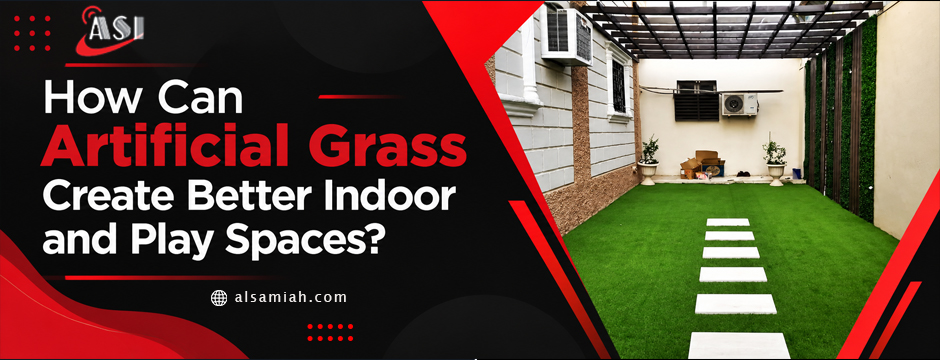
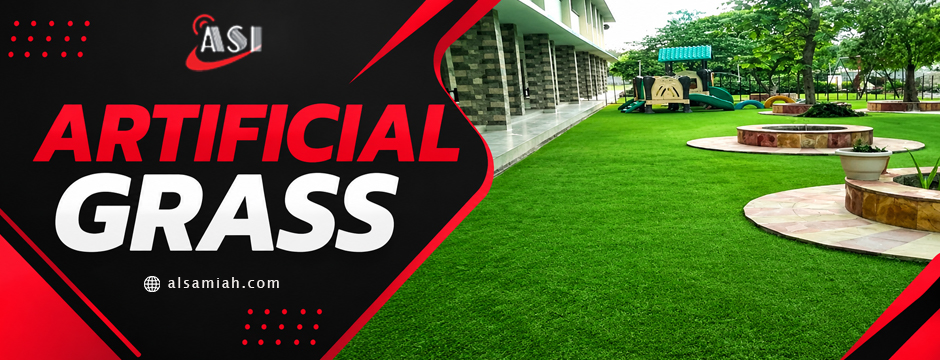
Artificial grass has become a practical flooring and landscaping solution for homeowners, businesses, recreational facilities, and commercial spaces. Designed to provide the appearance of natural grass without regular mowing, watering, and intensive maintenance, artificial grass can be used in a wide range of indoor and outdoor applications. Versatility, durability, and consistent appearance of the artificial grass make it suitable for areas where conventional flooring or natural lawns may not be ideal.
This blog discusses how artificial grass can enhance indoor environments and recreational areas, the factors to consider when selecting the right surface, and ways to maintain it for long-term use.
Creating Comfortable Indoor Environments
Bringing a Natural Look Indoors
Indoor spaces can sometimes feel overly structured when they rely entirely on conventional flooring materials. Introducing a grass-inspired surface can add visual warmth and create a more relaxed atmosphere. Indoor grass can be used in selected areas such as playrooms, activity spaces, offices, retail displays, recreational facilities, and themed environments.
The green appearance can provide a connection to outdoor surroundings while allowing designers to experiment with creative layouts. It can also complement furniture, decorative elements, and other natural-inspired features.
Flexible Interior Applications
Artificial turf can be incorporated into different interior designs without requiring the ongoing care associated with natural grass. It can be installed in dedicated sections rather than covering an entire floor, allowing designers to create visually distinct zones.
For example, a small grass-covered section can define a children’s activity area, while a larger installation can transform a recreational room into a more engaging environment. The flexibility makes it suitable for both residential and commercial applications.
Creating Safer Spaces for Active Recreation
Creating Defined Activity Zones
A play area floor needs to provide a surface that suits the activities taking place while contributing to an inviting environment. Artificial grass can help create a visually distinctive zone for children’s activities, indoor recreation, and selected outdoor applications.
Using a dedicated grass surface can separate activity areas from flooring and make the overall layout easier to organise. Depending on the installation, suitable underlay or shock-absorbing systems may also be considered to improve comfort.
Supporting Active Play
Children’s recreational spaces require surfaces that can withstand frequent movement. Artificial turf is designed to maintain a consistent appearance under regular use, making it suitable for selected play environments.
The grass-like texture of the artificial turf can create a more outdoor-inspired setting compared with conventional hard flooring. However, the appropriate product, installation method, and underlying surface should always be selected according to the intended activity and applicable safety requirements.
Key Considerations for Selecting Grass Surfaces
Considering Pile Height
Pile height refers to the length of the synthetic grass blades. Different applications can require different pile heights depending on the desired appearance, comfort, and level of use.
Shorter piles may be appropriate for certain decorative aspects, while longer piles can provide a fuller, more lawn-like appearance. Understanding how the space will be used can help determine an appropriate specification.
Evaluating Density and Texture
The density of synthetic grass affects its overall appearance and feel. A denser surface can create a fuller visual effect, while the texture contributes to how comfortable the surface feels underfoot.
For indoor installations, appearance and ease of cleaning may be important considerations. In recreational areas, durability and comfort may receive greater attention. Selecting a surface based on the environment helps achieve a more suitable result.
Simple Ways to Maintain Artificial Grass Effectively
Simple Cleaning Requirements
One of the advantages of synthetic turf is that it does not require mowing or regular watering. Nevertheless, routine cleaning is important for keeping the surface looking fresh.
Dust, dirt, leaves, and other debris can accumulate over time. Regular brushing, sweeping, or appropriate cleaning methods can help remove surface debris. Indoor installations may also require vacuuming or gentle cleaning depending on the manufacturer’s recommendations.
Addressing Spills and Stains
Spills should be addressed promptly, particularly in indoor recreational areas and spaces used by children. Cleaning the affected area quickly can prevent substances from settling into the surface.
The cleaning solution and method should be compatible with the particular artificial turf product. Harsh chemicals or unsuitable cleaning equipment may damage synthetic fibres, so manufacturer guidance should be followed.
Understanding Installation Requirements through Factors
Preparing the Base
Proper preparation is important for achieving a stable and visually consistent artificial turf installation. The underlying surface should be clean, level, and suitable for the intended installation method.
For indoor applications, factors such as moisture protection, drainage requirements, floor condition, and existing flooring should be evaluated beforehand. Outdoor installations may require additional preparation depending on the ground conditions.
Ensuring Proper Placement
Artificial turf should be installed carefully to minimise visible joins, movement, or uneven sections. The installation technique can vary depending on whether the turf is being placed indoors, on a hard surface, or over prepared outdoor ground.
Professional installation can help ensure appropriate alignment, secure placement, and a neat finished appearance, particularly when covering larger or irregularly shaped areas.
Benefits of Artificial Grass Across Different Applications
Residential Spaces
Homeowners can use artificial grass to create distinctive areas on balconies, patios, in playrooms, entertainment spaces, and other parts of a property. It can provide a green appearance without the maintenance schedule associated with natural lawns.
Commercial Environments
Businesses can use synthetic turf in offices, retail environments, hospitality spaces, recreational facilities, and promotional installations. Consistent appearance of the synthetic turf can help create memorable environments while reducing routine landscaping requirements.
Recreational Facilities
Artificial turf can also be considered for selected recreational environments where a grass-like surface is preferred. The right specification can help accommodate regular activity while maintaining a consistent visual appearance.
Conclusion
Artificial grass offers a versatile way to introduce a natural-looking surface into residential, commercial, recreational, and selected indoor environments. From creating comfortable indoor spaces to developing engaging play zones, it can combine visual appeal with practical maintenance requirements. Choosing the right pile height, density, texture, installation method, and maintenance approach can help maximise its suitability for each application.
For those exploring reliable artificial turf solutions, Al Samiah Furniture provides options that can support different design and space requirements. By selecting the right artificial grass according to the intended use, property owners and designers can create attractive, functional, and easier-to-maintain environments.
FAQs
1. Where can artificial grass be used?
Artificial grass can be used in playrooms, activity spaces, offices, retail displays, recreational facilities, and other indoor environments where a natural-inspired surface is desired.
2. Is indoor grass suitable for recreational spaces?
Yes, indoor grass can be suitable for selected recreational environments. The product should be chosen according to the intended activity, traffic level, comfort requirements, and applicable safety considerations.
3. What should be considered when choosing a play area floor?
When selecting a play area floor, consider factors such as durability, texture, comfort, expected activity levels, installation requirements, and the suitability of the underlying surface.
4. Does artificial grass require regular maintenance?
Artificial grass requires less maintenance than natural grass because it does not need mowing or regular watering. However, periodic cleaning, brushing, and removal of debris can help maintain its appearance.
5. Can artificial grass be used for decorative purposes?
Yes. Artificial grass can be incorporated into interior designs, commercial displays, recreational spaces, themed environments, and decorative installations to introduce a natural-looking visual element.


No comments yet.